Lately, we’ve been seeing an uptick in lingering inflammation after viral illness—especially following this year’s intense flu season. We are alos seeing women who are coming in with fatigue that won’t budge, brain fog that feels like molasses, and flares of joint pain, digestive discomfort, or hormonal swings that weren’t there before. The common thread? The immune system is still on overdrive.
This post-viral drag is more than just “getting over a cold.” What we’re witnessing is a phenomenon known as inflammatory sequelae—where your immune system is still reacting long after the acute infection has resolved. Think of it like the fire alarm still going off after the fire’s been put out.
So what do we do when inflammation is no longer helping, and is now just hijacking your energy, mood, and hormonal balance?
We look to tools that gently calm the immune response, reduce oxidative stress, and support the body’s ability to return to a balanced, non-reactive state.
One of those tools? Pomegranate.
Why Pomegranate Deserves a Spot in Your Immune Health Plan
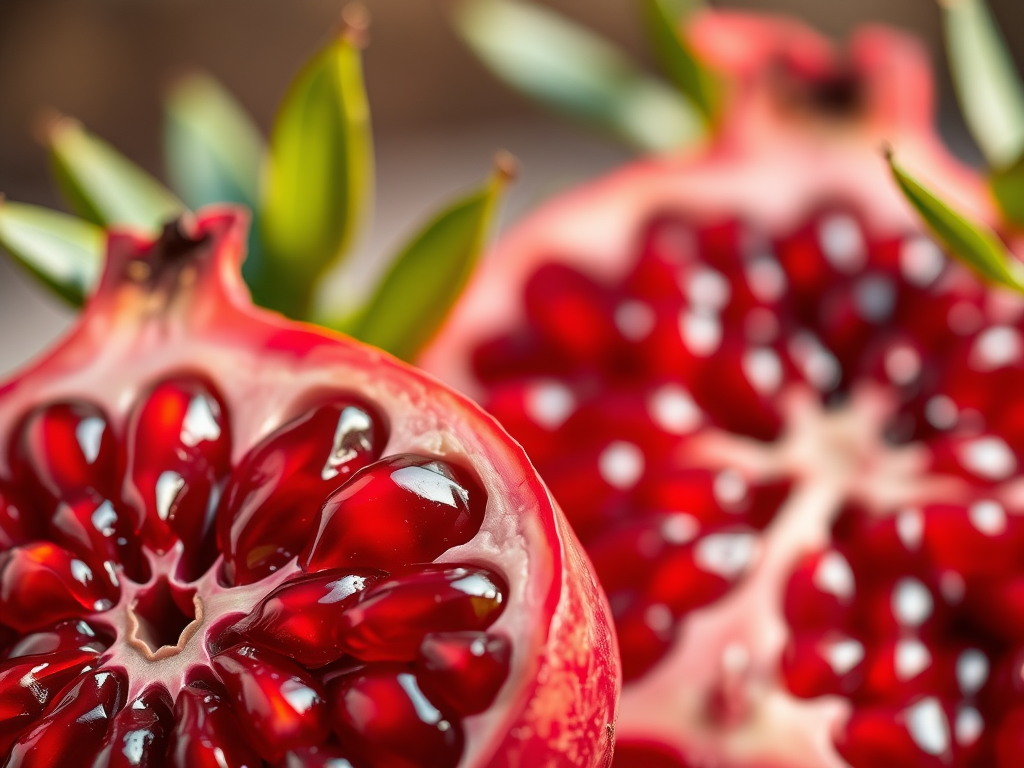
This jewel-toned fruit is more than a tasty snack. Pomegranate (Punica granatum) is a clinically supported anti-inflammatory food that’s rich in antioxidants and polyphenols that help modulate immunity at the cellular level.
It’s been used for thousands of years in traditional medicine, and modern research is catching up to confirm what ancient practitioners knew: this fruit helps the body heal.
Here’s how.
The Science Behind Pomegranate’s Immune Benefits
Pomegranate is rich in a family of antioxidants called polyphenols—including punicalagins, ellagic acid, anthocyanins, and ellagitannins.
These compounds:
- Reduce oxidative stress by decreasing damaging free radicals (ROS)
- Support white blood cell health, including neutrophils and T-cells
- Calm inflammatory pathways like NF-κB and MAPK
- Promote healthy cytokine levels, helping the immune system signal well
In animal studies, pomegranate extract lowered oxidative damage in immune cells and even improved mitochondrial function in aging mice.
Even more interesting? Once you eat pomegranate, your gut microbes help convert its compounds into urolithins, which have even stronger antioxidant effects—sometimes outperforming the original compounds themselves.
Pomegranate and Post-Viral Inflammation: What We Know
After a tough flu season, many women are dealing with low-grade inflammation that shows up in sneaky ways: trouble sleeping, sluggish digestion, stubborn bloat, or hormonal symptoms that don’t match the calendar.
This isn’t “in your head”—your immune system may still be pumping out inflammatory messengers like TNF-α and interleukins, which we know are involved in post-viral fatigue and chronic inflammation syndromes.
Pomegranate can help regulate those messengers. It doesn’t shut down the immune system—it teaches it how to recalibrate.
Think of it as a wise elder in the immune system, helping cells remember what balance feels like.
How to Incorporate Pomegranate for Immune & Hormonal Support
Here are a few gentle ways to integrate pomegranate into your life:
- Fresh pomegranate seeds (arils): Add them to yogurt, salads, or smoothies.
- Unsweetened pomegranate juice: A small glass a few times per week can be beneficial. Look for cold-pressed, no-added-sugar varieties.
- Pomegranate extract supplements: If you’re dealing with persistent inflammation or immune dysregulation, a standardized extract may offer more targeted support (ask your provider for guidance).
- Gut health pairing: Because urolithin production depends on gut microbes, this is another reminder to keep your digestive system supported—especially post-infection.
And if you’ve had antibiotics recently, you may want to focus on rebuilding a diverse microbiome so your body can get the full benefits of pomegranate metabolism.
A Note on Bioavailability & Personalization
Like with many natural remedies, bioavailability matters. Not everyone metabolizes pomegranate compounds the same way, because gut microbiome diversity plays a big role in how those ellagitannins get converted into urolithins.
This is where personalized care matters. In our Thrive Tribe, we run advanced gut and inflammation panels to understand what your body needs most to reset. For some, that includes antioxidant support; for others, it means microbiome repair first.
Either way, pomegranate remains a safe and gentle addition to most people’s recovery toolkit, with very low risk of adverse effects.
Looking for more natural tools to restore your health?
Join our Thrive Tribe, where we walk you through sustainable, root-cause solutions for inflammation, gut health, and more—designed for busy people who want clarity, not more confusion.
Let’s uncover what your body needs to truly heal. Apply for a Discovery Call today.