There are some unspoken “detox diet dangers” & “Detox rules” we really need to talk about.
Because when things get hard — when you’re running on empty, burned out, or just trying to do something good for your body — the wellness world has a way of swooping in with a 10-day cleanse, a TikTok supplement stack, and a very convincing before-and-after photo.
And it feels like if you’re not doing all of it, you’re falling behind.
I don’t know who built these rules. Or why they feel so deeply embedded in health culture.
Or why we feel like we’re failing when we don’t follow them.
But the research is pretty clear on some of this — and it’s not what the influencers are selling.
Here are 5 detox hacks I see on social media all the time that I’d encourage you to skip, and what the evidence actually supports instead.
1. Following influencer-based detox recommendations
This one might sting a little — because we’ve all been there, scrolling at midnight, adding something to our cart.
But a 2024 TikTok content analysis found that 97% of videos promoting diet pills, detox products, and supplements made unsubstantiated health claims. Nearly all of them failed to disclose whether the post was sponsored, and 93.6% of the featured individuals didn’t disclose any credentials whatsoever.
Here’s what makes this more complicated: research shows that both misinformation and overgeneralized health messaging from influencers lead to equally harmful outcomes — undermining accurate beliefs and encouraging behaviors that can actually hurt you.
And the regulatory gap is real. Unlike medications, dietary supplements don’t require FDA approval before they hit shelves. The number one adulterant found in supplements? Pharmaceutical drugs — undisclosed, illegal, and difficult to detect until someone is already harmed.
Your wellness routine deserves better sourcing than a discount code or an influencer pushed supplement that has not been validated for purity, potency, and quality.
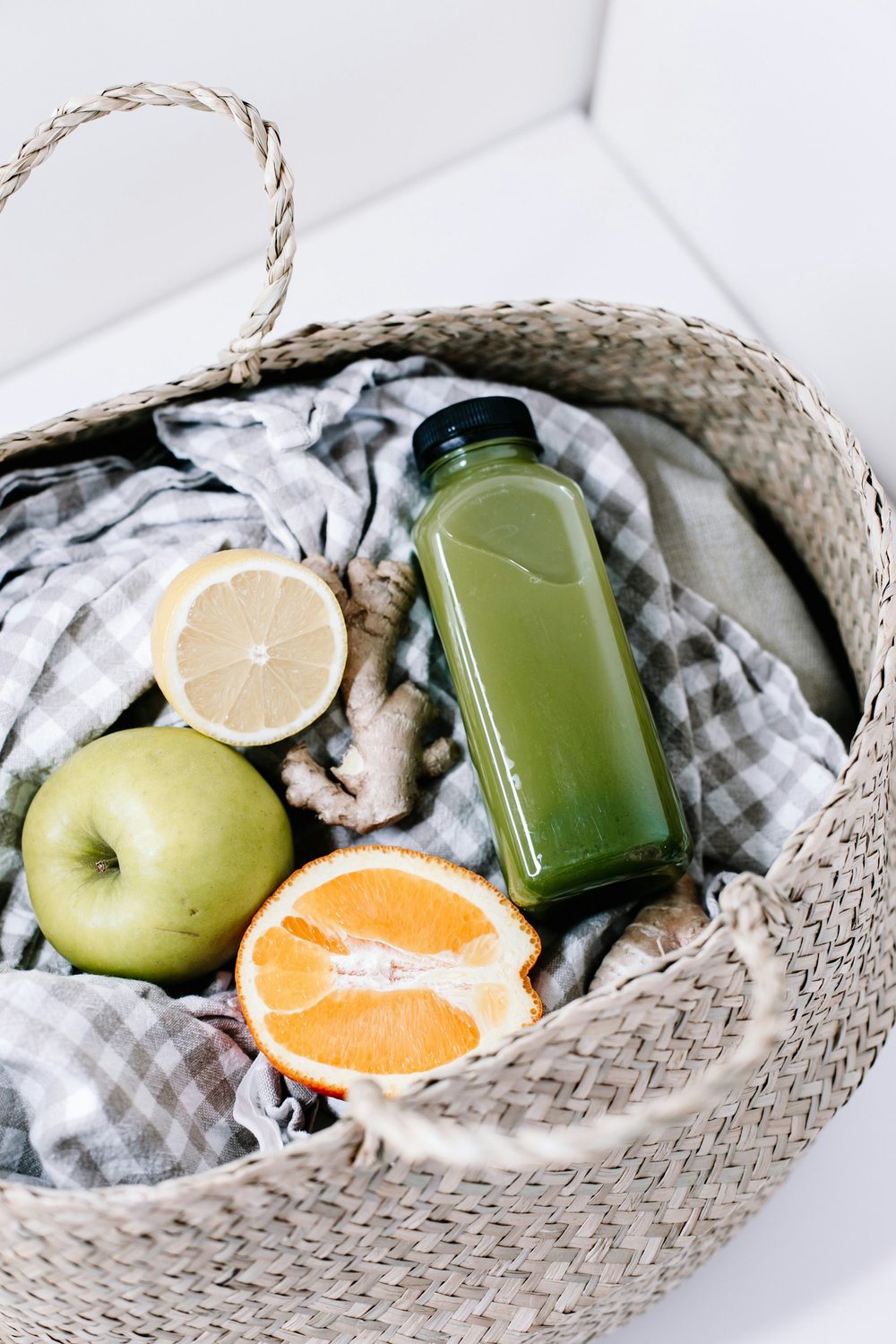
2. Juice cleanses (especially the green ones)
This one surprises a lot of patients when I talk about it.
Juice cleanses — particularly those heavy on leafy greens — are high in oxalates and have been linked to something called acute oxalate nephropathy. Multiple case reports document kidney damage, and in some cases progression to end-stage renal disease requiring dialysis, from green smoothie and juice-heavy cleanses.
The irony? The very foods marketed as the most detoxifying — spinach, kale, Swiss chard — are high in oxalates, which in concentrated liquid form can become genuinely dangerous for your kidneys.
Whole fruits and vegetables, eaten as whole foods, remain one of the most evidence-backed ways to support your body. Juicing them down and removing the fiber is not an upgrade.
3. Extreme elimination without reintroduction
Hippocrates said food is medicine — and the research backs him up, just not in the way most detox programs apply it.
Extreme elimination-focused detoxes — the ones that strip everything out and never bring anything back — are associated with serious documented consequences: nutritional deficiencies, refeeding syndrome, metabolic complications, and in vulnerable individuals, the development of disordered eating patterns.
What the evidence actually supports is the addition of nutrient-dense foods, not the removal of everything. Dietary patterns like the Mediterranean diet — built on whole, plant-rich foods eaten consistently — show the strongest and most consistent evidence for improving cardiometabolic health.
Your liver and kidneys are detoxifying continuously, every single day. They don’t take a break during a juice cleanse — and they don’t work better without food. They actually require adequate protein, healthy fats, vitamins, and minerals to function optimally. Exactly what most elimination protocols remove.
Food is medicine. That means more of the right foods — not less of everything.
4. Treating a detox like a one-time event
Here’s a perspective shift that is important to understand if you are investing any money into your health.
We live in a genuinely toxic world. Persistent organic pollutants, heavy metals, endocrine-disrupting chemicals — they enter the body continuously through food, air, water, and skin contact. Some of them are bioaccumulative, meaning they build up in tissue over time. A 2026 study confirmed that heavy metals like lead and cadmium, along with phthalate plasticizers, accumulate in tissues and induce multi-organ toxicity.
Your body has sophisticated systems for handling this — the KEAP1-NRF2 pathway, for example, is one of the key defenses against environmental pollutants. But these systems need consistent, ongoing support. Not a once-a-year crash cleanse followed by eleven months of business as usual.
A 10-year study of over 10,000 participants found that modifiable lifestyle behaviors — a whole-food diet, regular aerobic exercise, not smoking, adequate sleep — had the most significant impact on long-term health outcomes. Participants who exercised four days per week were 69% less likely to develop diabetes compared to sedentary participants.
That’s a consistent foundation. Not a once and done detox sprint.
Your goal shouldn’t be to survive a 10-day cleanse. It should be to build a lifestyle that keeps your natural detox systems working at their best, every day.
5. Overhauling everything at once
This is why New Year’s resolutions don’t stick, and why I often see A LOT of the best laid out medial treatments fail.
When we change too much at once — especially during a season where we’re already depleted — we’re not setting ourselves up for a transformation. We’re setting ourselves up for a crash.
The wellness routine that actually works is the one that feels sustainable. Consistent micro-changes build on each other. They create momentum. They become habits that hold when life gets hard — not routines that collapse the moment things get complicated.
An aggressive detox that asks you to overhaul your diet, your sleep, your supplements, and your morning routine all at once is not a foundation. It’s a pressure cooker.
And your wellness and ‘detox’ routines should never feel like a pressure cooker.
The bottom line
A real detox isn’t about restriction, punishment, or white-knuckling your way through 10 days of misery.
It’s about giving your body what it actually needs — foods that actively support your liver, kidneys, and detox pathways. Habits layered in gently, one at a time, so they actually stick. And the right supplemental support, chosen carefully and intentionally, for those who want to go deeper.
That’s the kind of detox that creates a foundation you can keep building on — long after the ‘detox’ is over.
Ready to do this the right way?
Join our 14 day detox!
Here’s what we’re doing differently and how this isn’t like a detox you have seen before:
We’re eating for detox — whole, nutrient-dense foods that actively support your body’s natural systems, not starve them.
We’re building habits that layer on each other — small, sustainable shifts that create real momentum instead of a crash-and-burn reset.
We’re offering evidence-informed supplement support for those who want it — vetted, intentional, and nothing with a sketchy discount code attached.
And we’re building a foundation that doesn’t disappear on day 15.